Congratulations on being elected to your HOA board! Whether you’re a new member learning the ropes or a seasoned leader, you’ve accepted a role that is vital to protecting your community's well-being and the value of every home within it. Your primary responsibility is simple yet profound: to protect, preserve, and enhance the shared investment of all your neighbors.
Your Role as a Community Steward

This guide is designed for dedicated board members like you, as well as for any homeowner who wishes to understand how their community is managed. Our goal is to demystify the complex legal documents and provide clear, practical insights into what effective board service truly entails, creating a better experience for everyone.
Think of the board not as mere rule enforcers, but as the strategic leadership team for your neighborhood. Your decisions directly influence financial health, property maintenance, and the overall quality of life for all residents. It's a significant responsibility, but one that offers immense rewards when done with care and transparency.
To help you succeed, let's begin with a clear overview of your core duties.
Core HOA Board Responsibilities at a Glance
Here is a summary of the primary duties you will undertake as a board member and the benefit each one brings to your community.
| Responsibility Area | Primary Objective for a Thriving Community |
|---|---|
| Legal & Fiduciary Duties | To act in the best interest of all homeowners with loyalty, prudence, and care. |
| Governance & Meetings | To operate the association transparently and efficiently, ensuring all voices can be heard. |
| Budgeting & Reserve Funds | To manage finances responsibly and plan for the future, protecting homeowner investments. |
| Maintenance & Vendor Oversight | To keep common areas safe and beautiful, enhancing property values for everyone. |
| Rule Enforcement & Disputes | To apply community rules fairly and consistently, fostering a harmonious living environment. |
| Insurance & Records Management | To protect the association's assets and maintain accurate records for complete transparency. |
| Conflict of Interest & Liability | To operate ethically and avoid personal liability by making informed, good-faith decisions. |
These areas are the pillars of effective community governance. In the following sections, we will explore each one in detail, providing you with the practical knowledge needed to serve your community with confidence and protect the interests of every homeowner.
Upholding Your Fiduciary and Legal Duties
When you join your HOA or condo board, you are making a fundamental promise to your neighbors. This is your fiduciary duty, and it is the absolute foundation of every action you will take as a board member.
Simply put, it means you must always act in the best interests of the community as a whole. Every decision, from selecting a new landscaper to approving the annual budget, must be viewed through this lens. Consider yourself a steward of your community’s collective assets and its future, working for the benefit of all.
To serve effectively, it's helpful to understand potential pitfalls. It’s worth reviewing common breach of fiduciary duty examples to recognize situations that can undermine a board's good work.
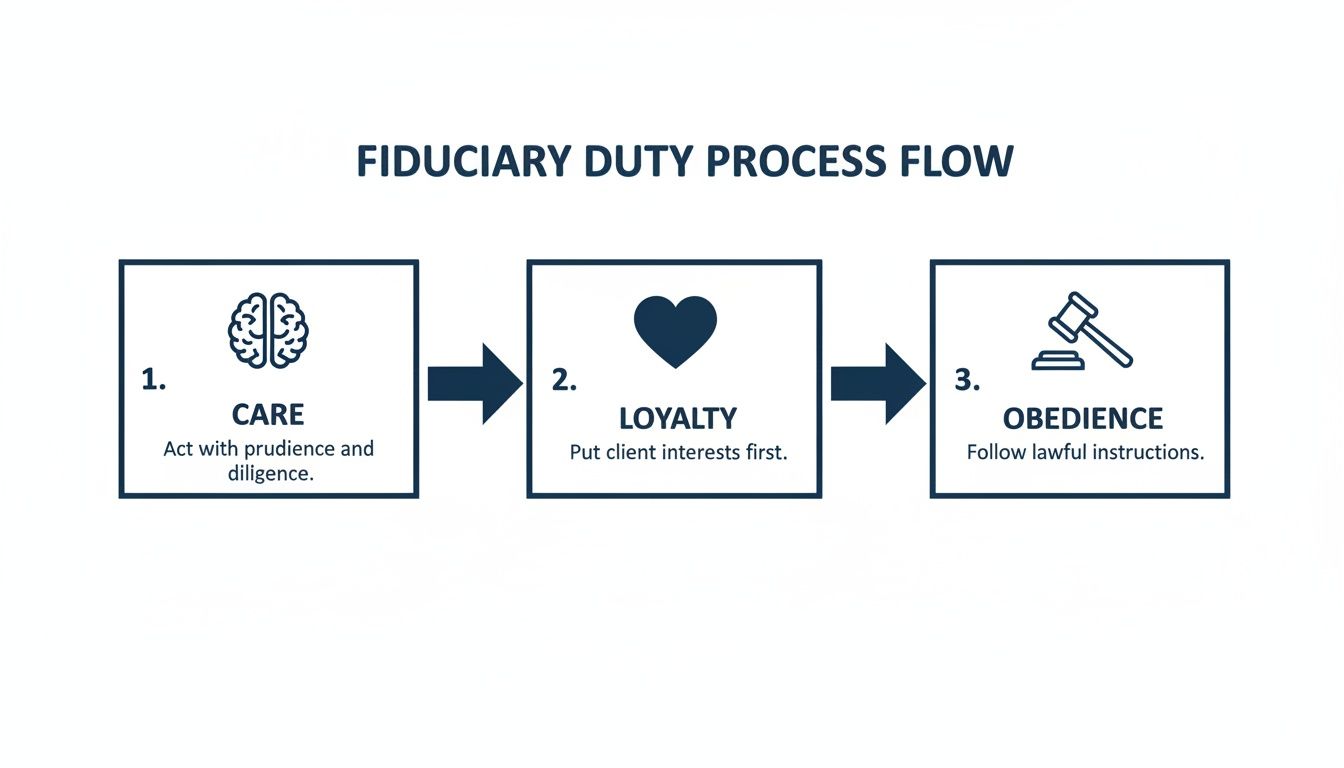
This vital responsibility is composed of three key commitments:
Duty of Care: This is your duty to be informed and make prudent decisions. It means reading proposals, asking thoughtful questions, and making choices that a reasonable person would in the same circumstances. This protects both the board and the homeowners.
Duty of Loyalty: You must place the community’s interests above your own. This means avoiding self-dealing, conflicts of interest, or any decision that could personally benefit you at the association's expense. Your loyalty is to every member.
Duty of Obedience: Your association operates under a set of rules. You have a duty to faithfully follow the guidelines in your governing documents (covenants, bylaws) and adhere to all local, state, and federal laws.
Fulfilling these duties is non-negotiable. When boards fail in this area, it often leads to a loss of homeowner trust and potential legal challenges. By making these duties the cornerstone of your service, you build a stronger, more resilient community and can govern with confidence and integrity.
Mastering Financial and Reserve Fund Management
Of all the responsibilities an HOA board holds, managing the association’s finances is one of the most crucial and visible. This is where your stewardship directly impacts every homeowner. It involves creating a realistic annual budget, managing daily operational costs, and maintaining full transparency with every dollar collected and spent.
A critical component of this is the reserve fund. The simplest way to think about it is as the community’s long-term savings account for major repairs and replacements. This fund is not for day-to-day expenses; it is specifically set aside for big-ticket items like replacing a roof, repaving streets, or updating playground equipment.
Properly funding your reserves is what protects homeowners from sudden, large special assessments. When residents see that their board is making smart, forward-thinking financial decisions, it builds immense trust and ensures the community remains financially stable for years to come, safeguarding everyone's property values.
Managing the finances for communities, which serve over 74 million residents across the country, is a significant responsibility. This complex role often benefits from specialized tools designed to make the job easier for volunteer board members. To see how technology can support your financial duties, explore our guide on the best HOA accounting software.
Overseeing Maintenance and Vendor Partnerships
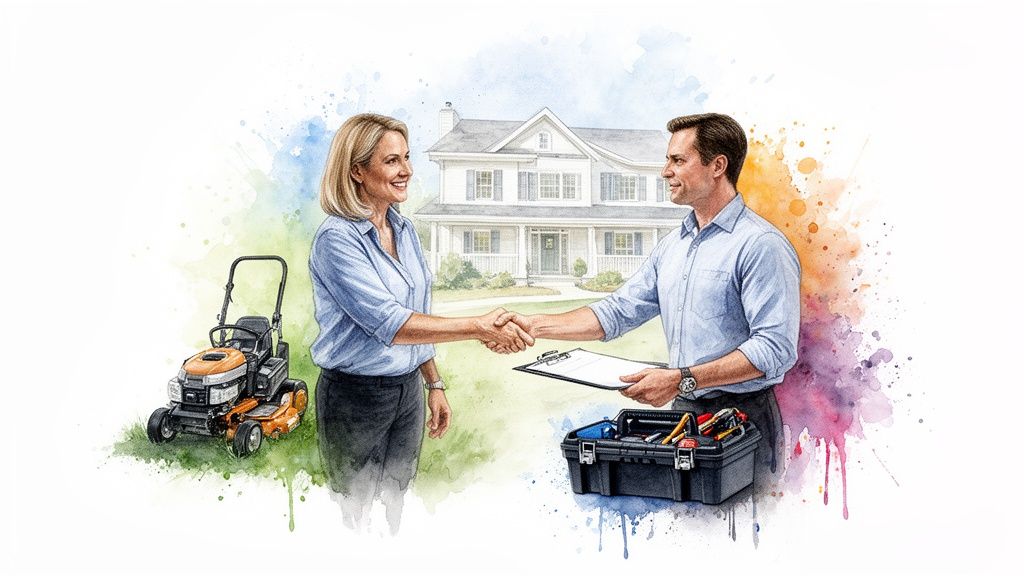
While budgets and meetings are foundational, a board’s most visible contribution is maintaining the community's appearance and functionality. This is where your efforts are seen and felt by residents every day. This includes everything from ensuring the landscaping is well-kept to proactively managing major repairs before they become costly emergencies.
A large part of this duty involves finding and managing the right partners. The board is responsible for building a network of reliable, insured vendors—such as landscapers, roofers, painters, and pool services. This means getting good at writing clear Requests for Proposals (RFPs), carefully vetting contractors, and negotiating contracts that protect the association’s funds and serve the community’s best interests.
A well-maintained community isn't just about appearances; it's a direct reflection of a board's dedication to protecting and enhancing property values for all homeowners.
Juggling numerous vendors and projects can feel overwhelming for volunteers. This is why many successful boards partner with a professional to handle the day-to-day operational details. To understand the value this provides, you can learn more about what a community association manager does and the support they offer.
Handling Rule Enforcement and Community Harmony
Enforcing community rules is often seen as a challenging part of a board member's role, but it can be approached as a way to foster a positive and respectful environment for everyone. The true goal is not to penalize neighbors, but to ensure that the shared standards that protect property values and quality of life are upheld consistently and fairly.
The key to success is a clear, fair, and uniformly applied enforcement policy that is well-communicated to all residents. When everyone understands the rules and the process—and sees that they apply to everyone, including board members—it builds trust and encourages voluntary compliance.
When a violation occurs, the most effective approach is often a gentle, escalating process. Start with a friendly, private reminder, as many issues arise from simple oversight. If the issue persists, you can then proceed with a formal notice and a hearing, always following the procedures outlined in your governing documents to ensure fairness.
A proactive approach to maintenance greatly contributes to community harmony. When common areas are beautifully maintained, it inspires residents to take pride in their own properties. Effective residential facility management for HOAs helps prevent many potential violations from ever occurring.
The board also serves a vital role in mediating neighbor-to-neighbor disputes. It's important to know when to facilitate constructive dialogue and when to encourage residents to resolve matters on their own. By helping to lower tensions and promote positive communication, you can help build a truly harmonious community where everyone feels at home.
Ensuring Strong Governance and Record Keeping
Strong governance is the framework that holds your entire community together. A primary responsibility for a homeowner's association board is to run the association in a smooth, transparent, and legally sound manner. This is achieved through well-defined roles and diligent record-keeping.
While each board position—President, Vice President, Treasurer, and Secretary—has specific duties, success depends on working together as a unified team for the community. The Secretary, in particular, acts as the official historian and record-keeper. This role is responsible for documenting everything from meeting minutes to vendor contracts, ensuring all homeowners have access to information.
The Secretary's role in maintaining meticulous records is absolutely critical. These records provide legal protection for the board, ensure transparency for homeowners, and create a smooth transition for future board members. Organized communication builds trust and guarantees accountability for the entire community.
In fact, the secretary’s role is essential for keeping communities compliant and transparent, a job that impacts the 74 million residents living in community associations across the U.S. Understanding and preserving your governing documents for your HOA is the blueprint for effective leadership, and we have more insights on how to master this essential duty.
Common Questions About HOA Board Service
Stepping up to serve on your community’s board is a commendable commitment, and it's natural to have questions. Providing clarity helps new volunteers become confident and effective leaders who can better serve their neighbors.
Here are straightforward answers to questions frequently asked by new and experienced board members alike.
Can I Be Held Personally Liable for Board Decisions?
This is one of the most common concerns for volunteers, and it's a valid question. The good news is that personal liability is extremely rare when board members act responsibly and in good faith.
Your primary protection is the association's corporate structure and its Directors & Officers (D&O) insurance policy. Personal risk typically only arises in cases of fraud, self-dealing, or willful misconduct.
So, what happens if the board makes an honest mistake? This is where the "business judgment rule" provides protection. This legal principle shields you from liability for well-intentioned but imperfect decisions, as long as you acted:
- In good faith, with the community's best interests as your top priority.
- With reasonable care, meaning you did your due diligence before making a decision.
- Within the scope of your authority as granted by the governing documents.
The key takeaway for protecting yourself and your board is to document the "why" behind your decisions. Don't hesitate to consult with experts (like an attorney or engineer) when a matter is outside your expertise. This demonstrates that you acted with reasonable care for the benefit of all homeowners.
What's the Time Commitment, and Where Do I Even Start?
New board members often wonder how much time the role requires and what their first steps should be.
The time commitment can vary. You can generally expect to spend several hours per month on meetings, reviewing reports, and communicating with residents and vendors. This time may increase during key periods like budget season or when overseeing a major capital project.
Your first and most important step is to read and understand your community's governing documents—the CC&Rs, Bylaws, and Rules & Regulations. These documents are the legal foundation for every action your board will take.
Knowing these documents inside and out is your most powerful tool. It empowers you to make sound, defensible decisions, understand the scope of your authority, and confidently lead your community. Mastering this knowledge is the key to success for every homeowner, the board, and the HOA president.
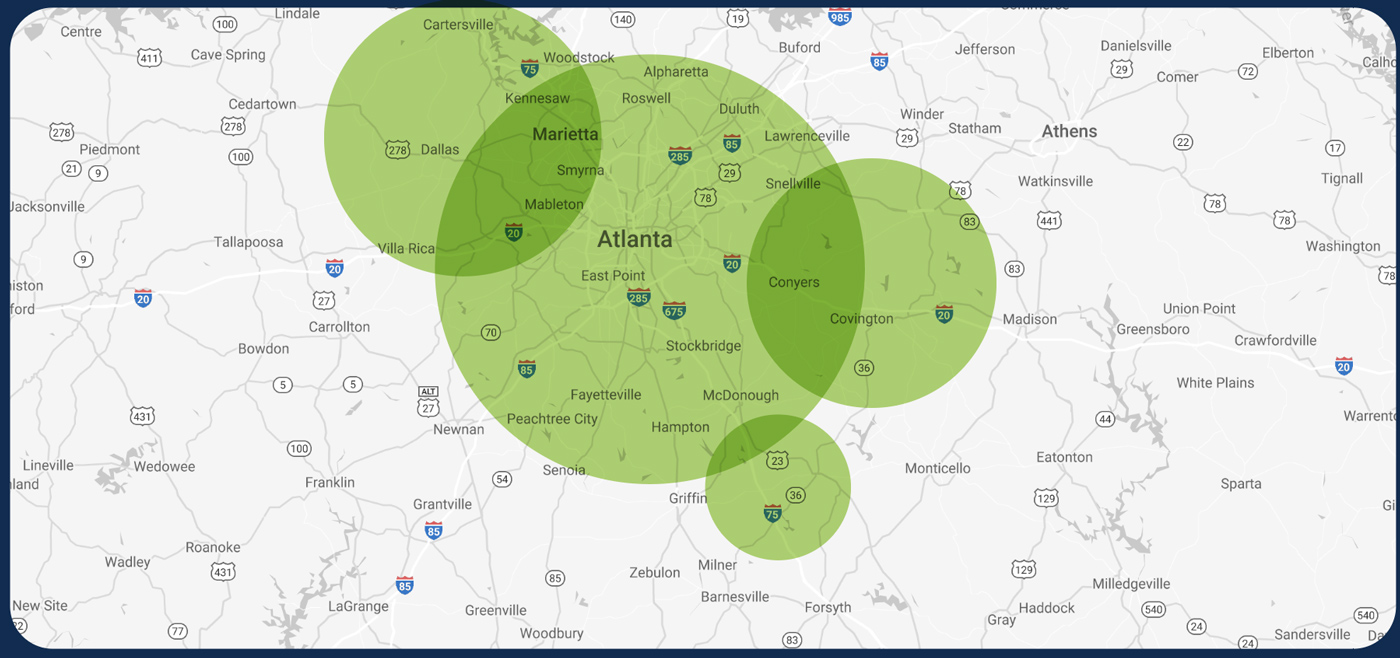
Partnering with a professional management company can lift the administrative burden from your shoulders, freeing your volunteer board to focus on the strategic leadership your community deserves. Access Management Group has been helping Georgia communities thrive for decades. Learn more about our services at accessmgt.com.