Georgia lawmakers recently approved Senate Bill 406, a landmark piece of legislation aimed at increasing transparency and providing homeowners with additional protections when interacting with their homeowners association. The bill has passed both chambers of the Georgia General Assembly and now awaits the governor’s signature to become law. If signed, SB 406 will introduce several new regulatory requirements for community associations across the state.
While the intent of the bill is to improve accountability across community associations, it also introduces several new administrative requirements for volunteer board members. For many boards, the changes may initially feel complex or even overwhelming.
The good news: with the right management partner, these new requirements can be handled smoothly and efficiently.
At Access Management Group, we are already preparing for the implementation of SB 406 so the communities we serve can continue operating with clarity, confidence, and control.

What SB 406 Is Intended to Do
The primary goal of SB 406 is to bring more transparency, oversight, and consistency to how homeowner associations operate in Georgia.
Lawmakers designed the bill to:
- Provide homeowners greater visibility into association finances
• Create a standardized process for addressing disputes
• Increase oversight of associations that enforce fines, liens, and foreclosures
• Ensure homeowners receive clearer notice before legal action is taken
While these goals are understandable, the practical effect is that HOAs will now be subject to additional reporting and procedural requirements.
For volunteer board members already balancing careers, families, and community leadership, that added responsibility can feel daunting.
That’s where professional management becomes more important than ever.
5 Key Changes Every HOA Board Should Understand
1. State Registration Will Be Required
Associations that wish to enforce fines, fees, liens, or foreclosures will now need to register annually with the Georgia Secretary of State.
Associations that choose not to register will lose the legal authority to pursue certain enforcement actions.
This means every board will need to ensure their registration remains active and compliant each year.
2. Expanded Financial Record Requirements
Registered associations will need to maintain detailed financial records and retain them for up to 10 years.
Additionally, certain financial information will now be submitted to the state as part of the annual registration process.
This places greater emphasis on strong accounting systems and organized financial reporting.
3. Higher Threshold for Foreclosure
The legislation increases the minimum delinquency required before an association may pursue foreclosure.
The threshold will rise from $2,000 to $4,000, and importantly, the amount must consist of unpaid assessments only. Fines, late fees, and other charges cannot be used to reach this minimum.
This change is intended to ensure foreclosure is reserved for more serious delinquency situations.
4. A New State-Level Complaint Process
SB 406 creates a new administrative process allowing homeowners to file complaints with the state rather than going directly to court.
These disputes may be reviewed by a hearing officer appointed by the Secretary of State, providing an alternative dispute resolution path.
While this could help resolve some issues without litigation, it also introduces a new procedural layer that boards must be prepared to navigate.
5. Stricter Notice Requirements Before Legal Action
Associations will now be required to provide more detailed notices before escalating enforcement actions.
This includes clearer communication regarding:
- Outstanding balances
• Attorney fees
• The homeowner’s rights and options
These enhanced notice requirements are designed to ensure homeowners are fully informed before legal steps are taken.
What This Means for HOA Boards
For many volunteer board members, SB 406 represents a shift toward greater regulatory oversight of associations in Georgia.
While the law introduces additional administrative responsibilities, it also creates clearer guidelines for how communities should operate.
The key takeaway for boards is simple:
Compliance will require stronger systems, clearer procedures, and consistent oversight.
And that’s exactly what professional community management is designed to provide.
How Access Management Group Is Preparing
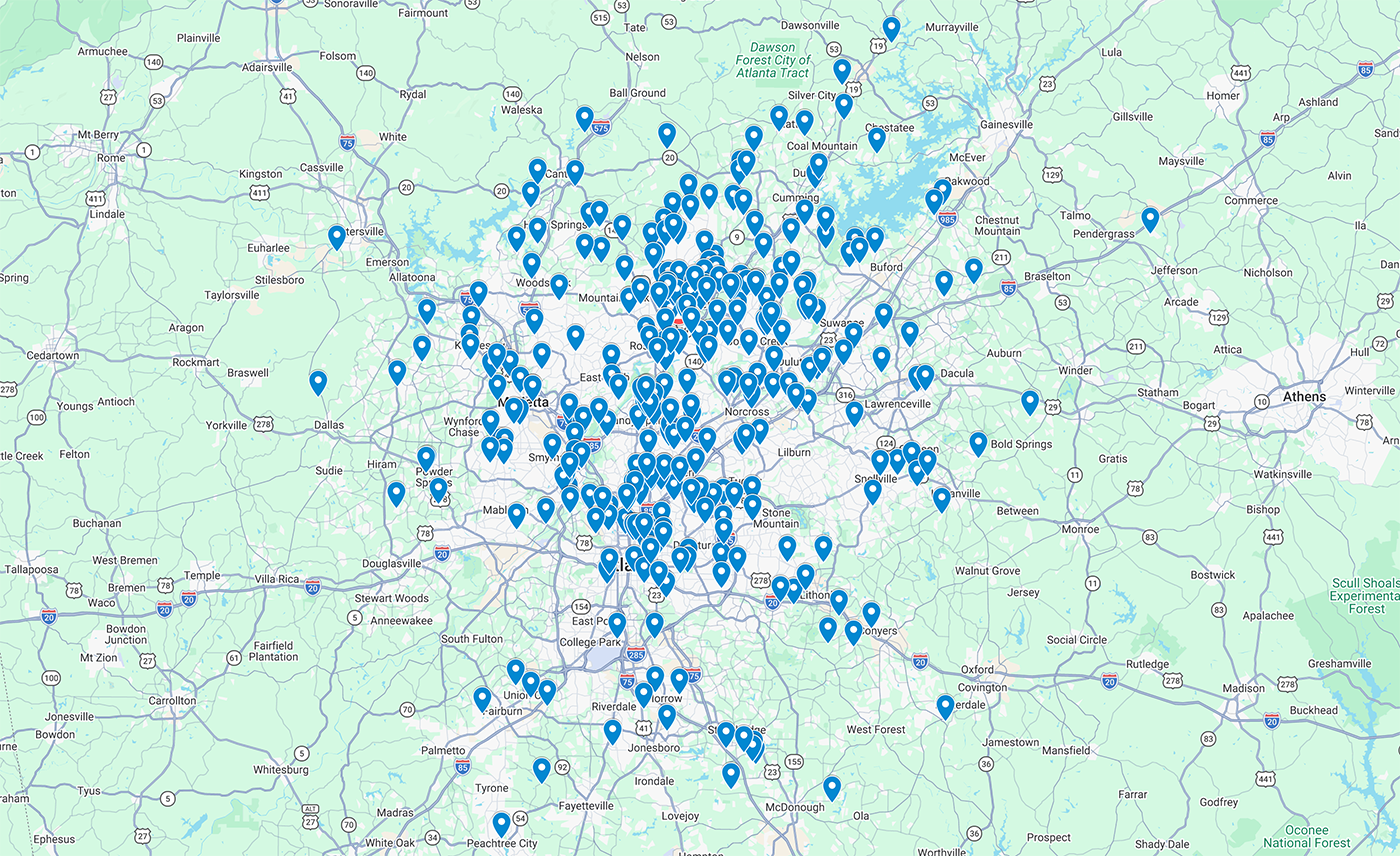
At Access Management Group, we manage over 300 associations across the greater Atlanta area, and we are already preparing for the implementation of SB 406 so the boards we serve do not have to navigate these changes alone.
Our team is currently working on:
Proactive State Registration Management
We will continue to assist associations with the Secretary of State registration process to ensure their ability to enforce assessments and governing documents remains protected.
Compliance-Ready Financial Systems
Our accounting infrastructure is already designed for long-term record retention and detailed reporting, helping boards meet the bill’s expanded documentation requirements.
Policy Alignment and Enforcement Review
We are reviewing collection and enforcement procedures alongside association attorneys to ensure they align with the new foreclosure thresholds and notice requirements.
Structured Dispute Resolution Support
If a homeowner files a complaint through the new state process, our managers will help provide documentation and coordination to resolve matters efficiently.
Ongoing Board Education
As implementation guidance becomes available, we will continue providing updates and training so boards understand exactly what is required — and what is not.
You Stepped Up. Now You Have the Backup.
Serving on an HOA board is already a significant responsibility. New legislation like SB 406 can add another layer of complexity.
Our job is to remove that burden.
At Access Management Group, we believe board members deserve the support they need to lead well and live well — without getting lost in changing regulations.
We will continue monitoring the implementation of SB 406 and guiding our communities through the transition so board members can focus on what matters most: leading their communities with clarity, confidence, and control.
If your community has questions about how SB 406 may impact your association, our team is here to help.
Contact Access Management Group to learn more about how professional management can help your board stay ahead of the changes.