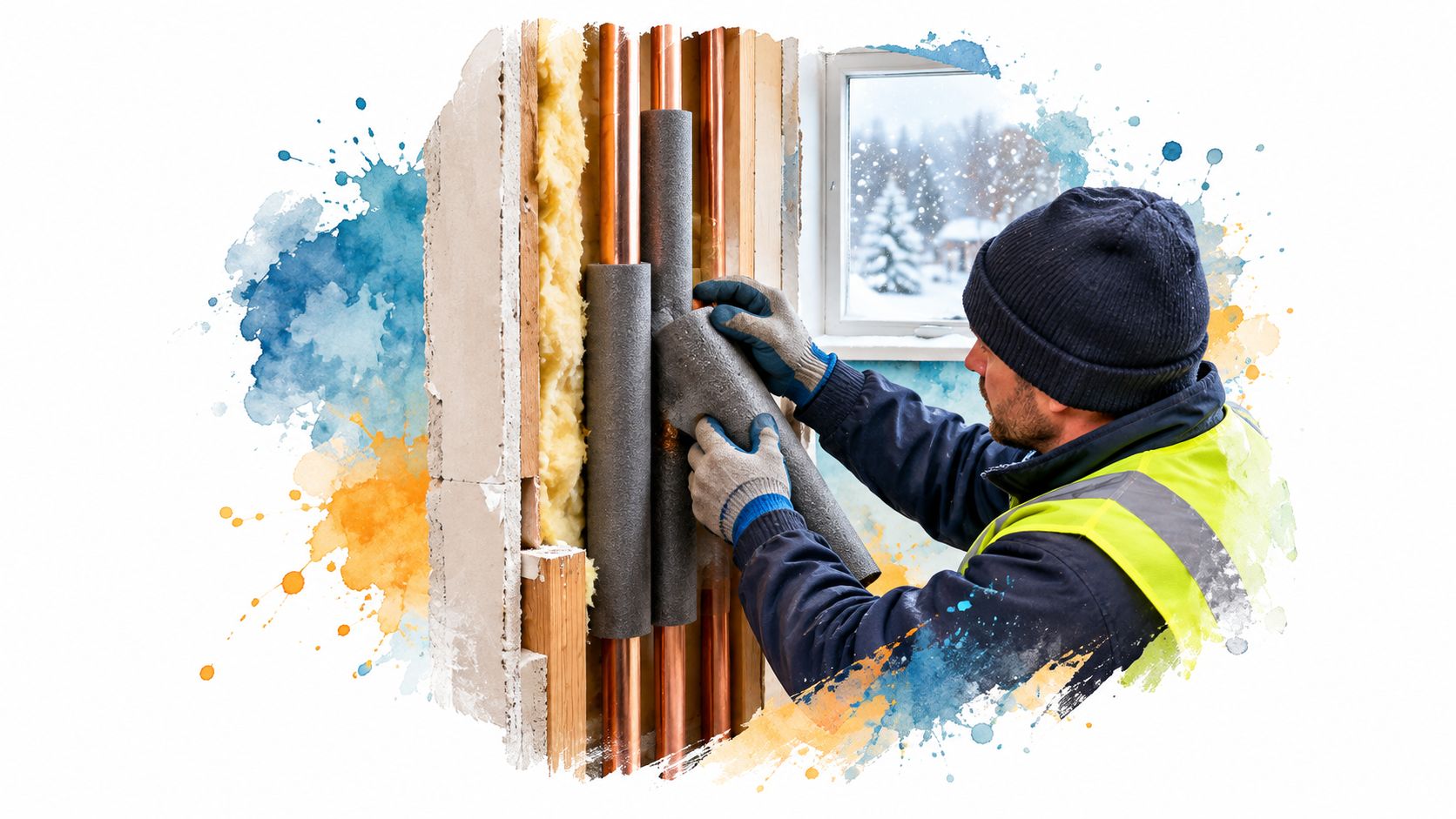
A resident calls at night because water is spreading across the hallway outside a condominium unit. The source is a frozen pipe in a shared riser, but the consequences reach several homes, a common area, and the association's insurance program. While residents search for towels, the board is trying to locate the shutoff, reach an absent owner, find an emergency plumber, and determine who must authorize the work.
That scenario is preventable more often than boards assume. Learning how to prevent frozen pipes from bursting requires more than reminding homeowners to keep their cabinets open. An HOA or COA needs a documented winterization protocol covering shared plumbing, vacant units, unheated spaces, resident communication, inspections, and emergency response.
The Hidden Winter Risks for Community Associations
Frozen-pipe advice usually assumes one occupied, detached home with one clearly marked main valve. Community associations don't have that simplicity. A condominium riser may serve multiple units, a garage may contain water lines without reliable heat, and an investor-owned unit may sit empty while temperatures fall. A small failure in one location can therefore become a property-wide coordination problem.
The risk is physical as well as administrative. Water freezes in exposed plumbing and creates pressure that can split a pipe at a joint or weakened section. The visible break may occur away from the original ice blockage, so a leak can appear in a basement, wall, or ceiling after the vulnerable section has already frozen. Shared plumbing in unconditioned space deserves particular attention because one neglected section can affect multiple owners.
Board-level rule: Treat freeze protection as a building-systems responsibility, not as a seasonal reminder sent only to residents.
The financial exposure justifies that approach. State Farm reported more than $806 million paid for over 32,000 frozen pipe and water-damage claims from August 2022 to August 2023, with claims averaging about $25,000. State Farm's freeze and thaw summary shows why a board should view winterization as asset protection rather than optional housekeeping.
Why multifamily properties are harder to protect
An association has to manage areas that residents may never see. These include shared garages, mechanical rooms, attic spaces, crawl spaces, exterior walls, meter boxes, and pipe runs between buildings. It also has to account for differences in resident behavior. One owner may keep the heat steady, while another lowers the thermostat, leaves for a trip, or doesn't know where the unit shutoff is located.
Vacant units create a separate failure point. A board may believe each owner is responsible for maintaining heat, yet still face immediate building damage when a unit is unheated or inaccessible. The governing documents, maintenance responsibilities, and insurance policy may determine how costs are assigned later, but they won't stop water from moving through common walls today.
The practical response is a property-wide plan. Boards should identify exposed plumbing, assign inspection duties, maintain current vendor contacts, document shutoff locations, and establish communication triggers before a freeze warning arrives. That preparation protects homeowners first, reduces confusion for the board, and helps the association preserve its real estate investment without resorting to avoidable emergency spending or special assessments.
Auditing Vulnerable Plumbing and Shared Spaces
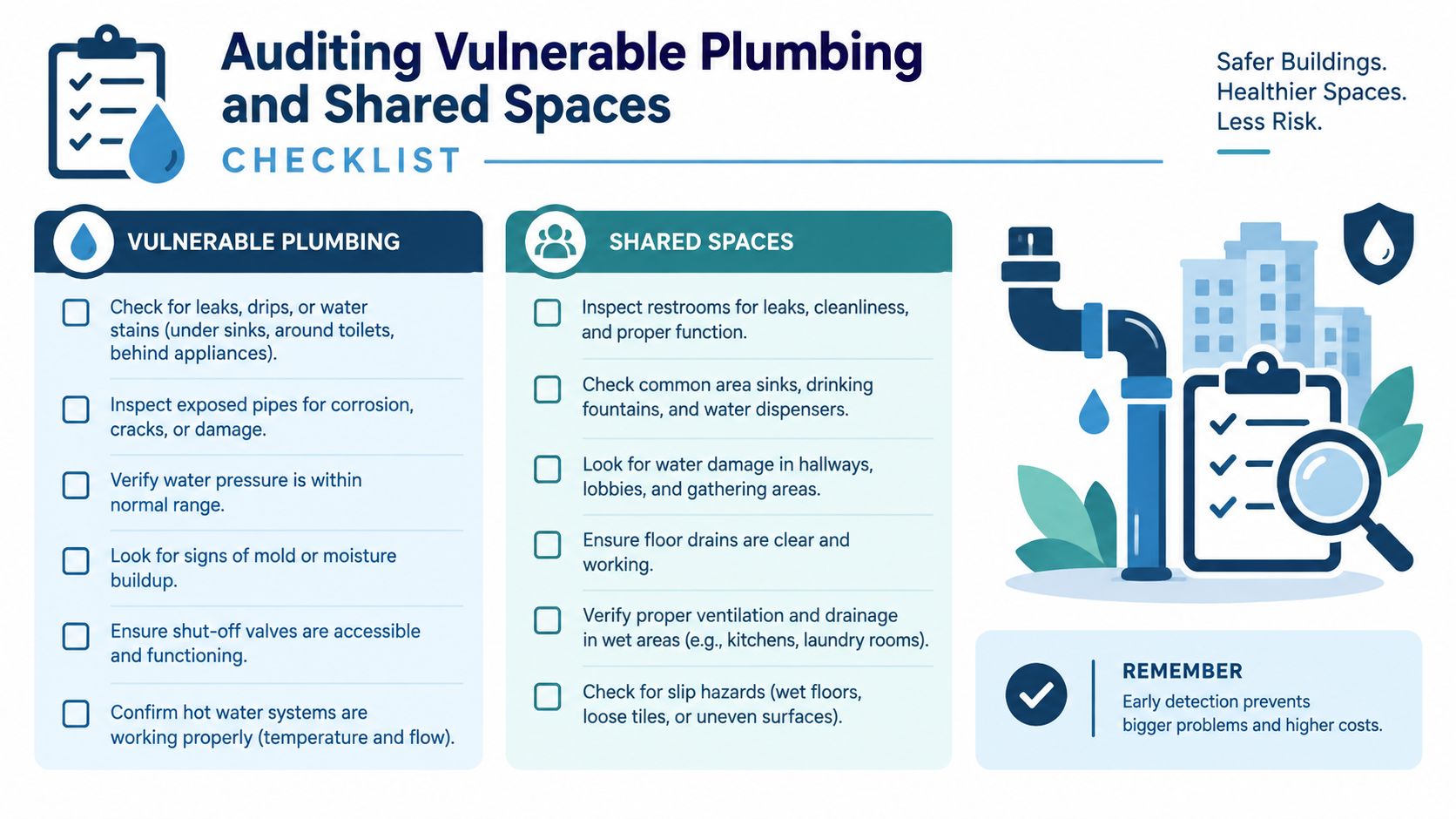
A useful audit starts with a building map, not a weather forecast. Walk every structure and record where water enters, where shared lines travel, and where conditioned space ends. Include common areas and private-unit risk points that residents can inspect themselves.
The highest-risk locations are attics, crawl spaces, basements, exterior walls, meter boxes, and shared plumbing running through unconditioned space, according to Michigan's frozen-pipe prevention guidance. Don't limit the inspection to visibly damaged insulation. Look for drafts, open penetrations, missing pipe insulation, doors that don't close, and heating equipment that doesn't serve the entire space.
Build a shutoff map
Every building should have a current shutoff schedule that a manager, maintenance employee, plumber, and emergency responder can understand quickly. Mark the main building valve, individual unit valves, riser valves, irrigation controls, exterior hose bib valves, and any valve serving a garage or detached structure.
For each valve, record its physical location, access requirements, label, and operating condition. A locked utility room without an available key is not an emergency plan. Test valves before winter and replace handles or components that are stuck, corroded, or difficult to operate.
Shared risers deserve special attention because they carry water vertically through multiple units. A clear riser reference for building plumbing can help a board understand why these lines require deliberate inspection and accurate labeling. The map should identify which homes and common areas may lose water when a particular riser is closed.
Inspect units and common areas together
The association should communicate a standard resident inspection list and arrange access where governing documents permit it. Ask residents to check under-sink cabinets, plumbing on exterior walls, laundry connections, garages, and any room that receives little heat. Property managers should separately inspect vacant units, units with known heating problems, and homes where access has been difficult during prior emergencies.
Record photographs, deficiencies, responsible parties, and completion dates. A simple spreadsheet or maintenance platform works if staff update it consistently. The audit is valuable only when it produces assigned work, not when it becomes a folder that nobody opens after the first cold-weather notice.
Executing a Board-Level Winterization Protocol
A winterization policy should tell people exactly what to do, when to do it, and how completion will be verified. The board can approve the policy before cold weather, then have the manager activate it when local conditions make freezing likely. Assign one person to coordinate the process and one backup who can act when the primary contact is unavailable.
Start with the building envelope and common plumbing. Insulate exposed lines, seal drafts near pipe penetrations, close openings around utility entries, and confirm that unheated rooms have adequate protection. Disconnect outdoor hoses, close interior valves serving exterior fixtures, and drain those lines. Don't assume a frost-resistant fixture eliminates every risk if the interior shutoff or connecting pipe remains exposed.
Set the heat standard
Recent guidance identifies thermostats at about 65°F, draining sprinkler systems before the first freeze, and verifying shutoff valves work as important prevention measures. WaterOne's frozen-pipe guidance supports making those items part of the association's seasonal checklist.
The board should communicate a clear minimum indoor-temperature expectation for occupied and vacant units, subject to the governing documents and applicable law. Emergency guidance also advises keeping an unattended home at or above 55°F, as described by Chubb's frozen-pipe prevention recommendations. Residents should understand that lowering heat to save energy can expose both their unit and neighboring homes to damage.
Open cabinet doors beneath sinks on exterior walls during extreme cold so warm indoor air can reach plumbing. Keep interior doors open where appropriate, and report failed heaters, broken windows, or drafts immediately. The association should provide these instructions in plain language, with a specific contact method for urgent problems.
Control vacant units and exterior systems
Vacant-unit procedures need an owner, a deadline, and evidence of completion. Require owners or their designated agents to provide emergency contact details, confirm heat operation, identify the unit shutoff, and authorize entry when a freeze threatens the building. If the governing documents permit inspections or emergency access, use that authority consistently rather than improvising after a pipe fails.
Irrigation and sprinkler systems require professional handling. Drain systems before the first freeze where the system design calls for it, and coordinate with qualified vendors for components that must remain pressurized or operational. The same discipline applies to shared garages, pool facilities, detached buildings, and mechanical rooms.
A seasonal service calendar should include inspections, valve testing, insulation repairs, irrigation work, resident notices, and vendor confirmation. Boards seeking a structured maintenance workflow can review maintenance and construction planning for associations. For additional pipe-protection considerations and restoration planning, boards can also trust Eagle Restoration for pipe protection.
Evaluating Drip Strategies and Smart Leak Detection
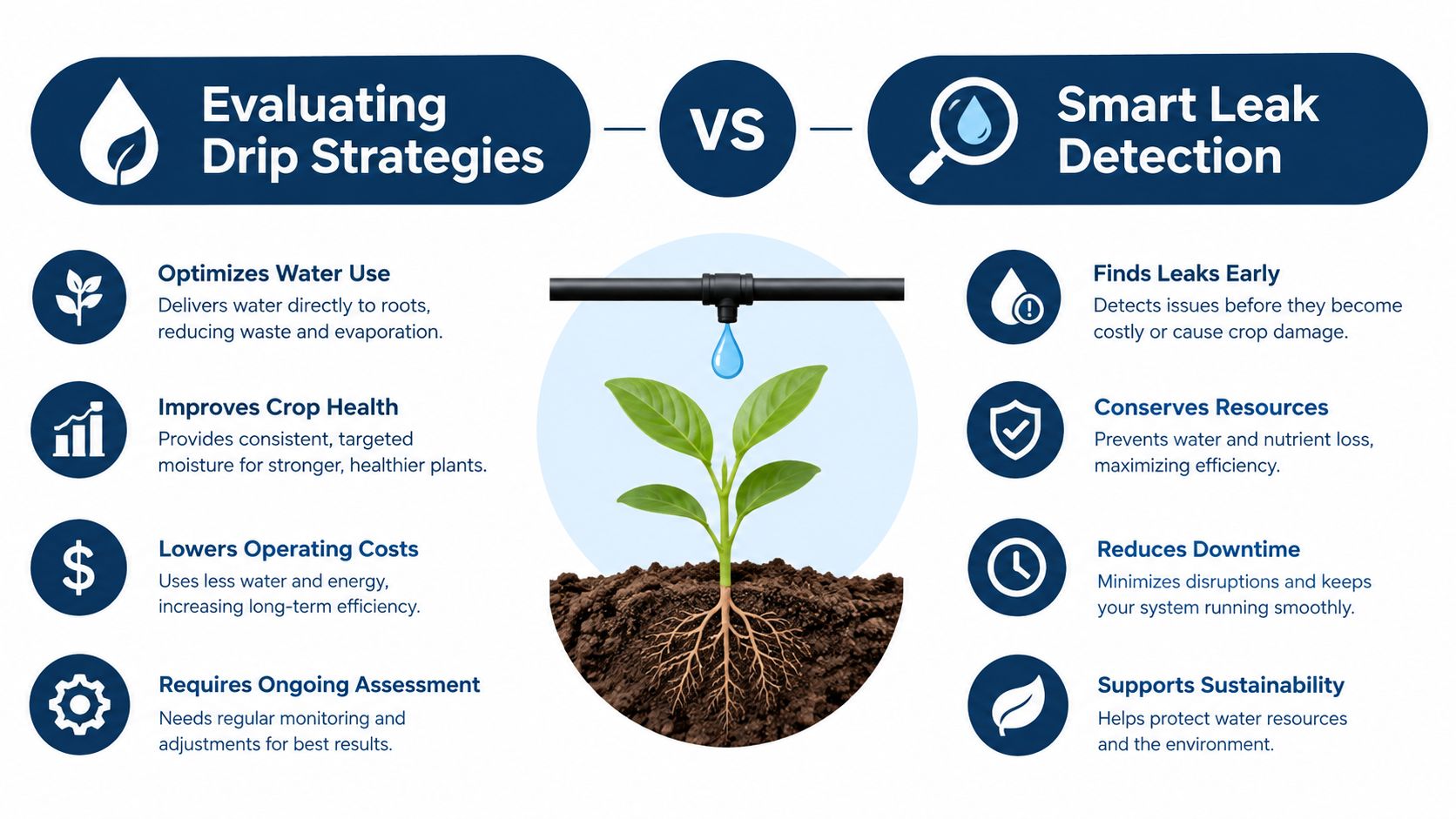
Letting a faucet drip can be useful during extreme cold, but a board shouldn't treat it as a universal substitute for building maintenance. Guidance recommends opening the faucet farthest from the main water entry point and allowing a very slow trickle, which keeps water moving and reduces pressure buildup. Protect Your Pipes explains the drip approach in practical terms.
The method works best when residents are present, understand which faucet to use, and can respond if conditions change. It may be less suitable for vacant units, buildings with intermittent occupancy, or communities subject to water-conservation requirements. Before making dripping mandatory, the association should confirm whether the local utility allows that practice and explain who pays for the additional water.
Choose the method by occupancy and control
| Situation | Practical board response |
|---|---|
| Occupied unit during extreme cold | Recommend a slow drip at the appropriate faucet, confirm utility rules, and maintain stable heat. |
| Vacant or rarely visited unit | Prioritize verified heat, remote temperature alerts, and a current emergency contact. |
| Shared mechanical or garage space | Use temperature monitoring, physical inspection, insulation, and a tested shutoff plan. |
| Building with recurring water events | Evaluate leak sensors and automatic shutoff equipment with a qualified plumber. |
Smart technology adds a layer that passive advice can't provide. Low-temperature sensors can alert a manager when a room becomes dangerously cold. Water-flow sensors can identify unusual use, while automatic shutoff valves can limit the amount of water released after a line splits. These tools won't replace insulation or functioning heat, but they give the association visibility when nobody is on site.
Smart thermostats also require governance. A resident may remotely lower the temperature, lose power, disconnect the device, or fail to respond to an alert. The board should define who receives notifications, who can enter the unit, who can authorize a shutoff, and how the equipment will be tested. A sensor that sends alerts to an abandoned email account provides no protection.
Technology decision: Install monitoring where the association can't reliably verify heat, occupancy, or response time. Use dripping as a controlled resident measure, not as the community's entire freeze strategy.
Boards can strengthen their response plan by reviewing hidden water leak detection tips and translating useful warning signs into resident notices. Look for damp odors, unexplained water sounds, ceiling stains, changes in water pressure, and alerts from installed equipment. Early detection gives the manager more options before a small leak reaches multiple units.
Navigating HOA Responsibilities and Homeowner Duties
A freeze event becomes more difficult when nobody knows who owns the problem. The governing documents usually distinguish between association-maintained common elements and homeowner-maintained portions of a unit, but the exact boundary varies. A shared riser may be an association responsibility, while a branch line serving one residence may fall to the owner. Pipes inside walls can create gray areas that require careful review rather than assumptions.
Boards should examine the declaration, bylaws, maintenance matrix, rules, and master insurance policy before winter. Identify responsibility for insulation, heating equipment, exterior fixtures, unit shutoffs, supply lines, drywall, flooring, personal property, and emergency access. The policy may define coverage differently from the maintenance documents, so the association should involve its insurance professional and legal counsel when language is unclear.
A practical responsibility matrix should answer four questions:
- Who maintains it? Name the association, owner, or another responsible party.
- Who inspects it? Assign the person or vendor who verifies condition.
- Who responds first? Identify the emergency contact authorized to shut water off.
- Who documents the event? Specify who photographs damage, preserves invoices, and reports the claim.
The board's responsibilities in an HOA include setting a consistent operating standard, enforcing adopted rules fairly, and protecting common property. That doesn't mean the board should promise coverage or liability outcomes it can't control. It means residents should receive clear expectations before a crisis, including heat requirements for vacant homes, access procedures, reporting deadlines, and penalties or cost recovery where the governing documents allow them.
Communicate before the dispute
Send winter notices before the first hard freeze, then issue targeted reminders when severe cold is expected. Explain that residents must report failed heat, frozen faucets, leaks, and extended absences. Tell them where to find their shutoff and how to contact the manager after hours.
Avoid vague language such as “take precautions.” Give residents a short checklist and explain why compliance protects neighboring homes. The board should also document delivery, acknowledgments where appropriate, inspections, and unresolved violations. That record supports consistent enforcement and helps demonstrate that the association treated a foreseeable risk seriously.
Emergency Response Procedures for Frozen and Burst Pipes
A suspected freeze requires immediate action, not a wait-and-see approach. The first person on site should protect life and electrical safety, then stop the water. Don't send a resident into standing water near electrical equipment, and don't ask an untrained person to enter a hazardous mechanical space.
Use a response card with the following sequence:
- Assess safety. Keep people away from standing water near outlets, panels, appliances, or damaged ceilings. Call emergency services when there is an immediate safety threat.
- Close the main supply. Shut the unit, riser, or building valve that stops the flow. Use the shutoff map and escalate to the next valve if the first one fails.
- Notify the response team. Contact the emergency plumber, restoration vendor, manager, board contact, and affected residents. State the building, location, access instructions, and whether water is still flowing.
- Relieve pressure carefully. Once the supply is closed, open appropriate faucets to drain water and reduce pressure. Don't dismantle a frozen line without qualified assistance.
- Protect the property. Move residents away from unsafe areas, protect undamaged contents where possible, and arrange controlled extraction and drying. Keep affected spaces accessible to professionals.
- Document and report. Photograph the source and resulting damage, record times and actions, preserve invoices, and notify the carrier according to the master policy.
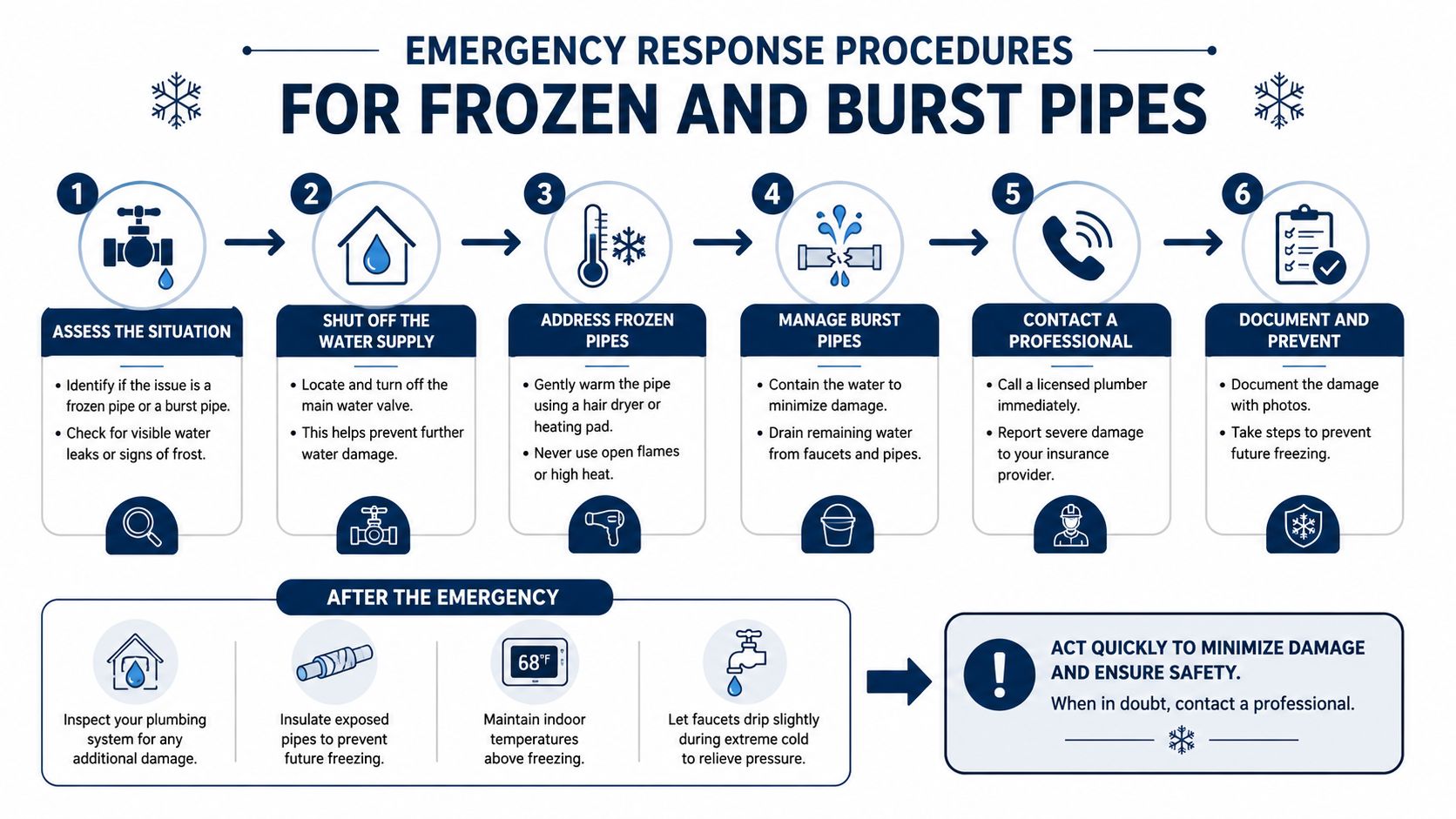
Shut water before thawing
The most dangerous shortcut is applying heat before closing the main supply. A frozen section may be holding back pressurized water, and thawing can release that pressure through a split pipe. Portland's guidance for frozen, leaking, or burst pipes warns that thawing before shutting off the main supply can turn a minor freeze into a major indoor flood.
Only a qualified professional should determine how to thaw an accessible line safely. Never use an open flame. The manager should maintain vendor contacts in multiple formats, including an after-hours number and a backup provider, because severe weather can overwhelm one contractor.
Resident communication must be short and specific. Tell affected owners when water will be shut off, which fixtures they shouldn't use, where to report new leaks, and when the next update will arrive. After stabilization, the board should hold a post-event review. Correct the failed insulation, heating, access, notification, or vendor process before the next freeze exposes the same weakness.
Access Management Group helps HOA and COA boards coordinate maintenance, inspections, emergency response, and the operational details that protect shared real estate investments. Visit Access Management Group to discuss a community management approach that turns frozen-pipe prevention into a reliable year-round protocol.